
Auction Clearance Rates Hit a Six-Year Low: What It Means for Property Buyers and Sellers
Australian auction clearance rates have fallen to their lowest level since the early COVID days. Here's what the shift means if you're buying or selling.
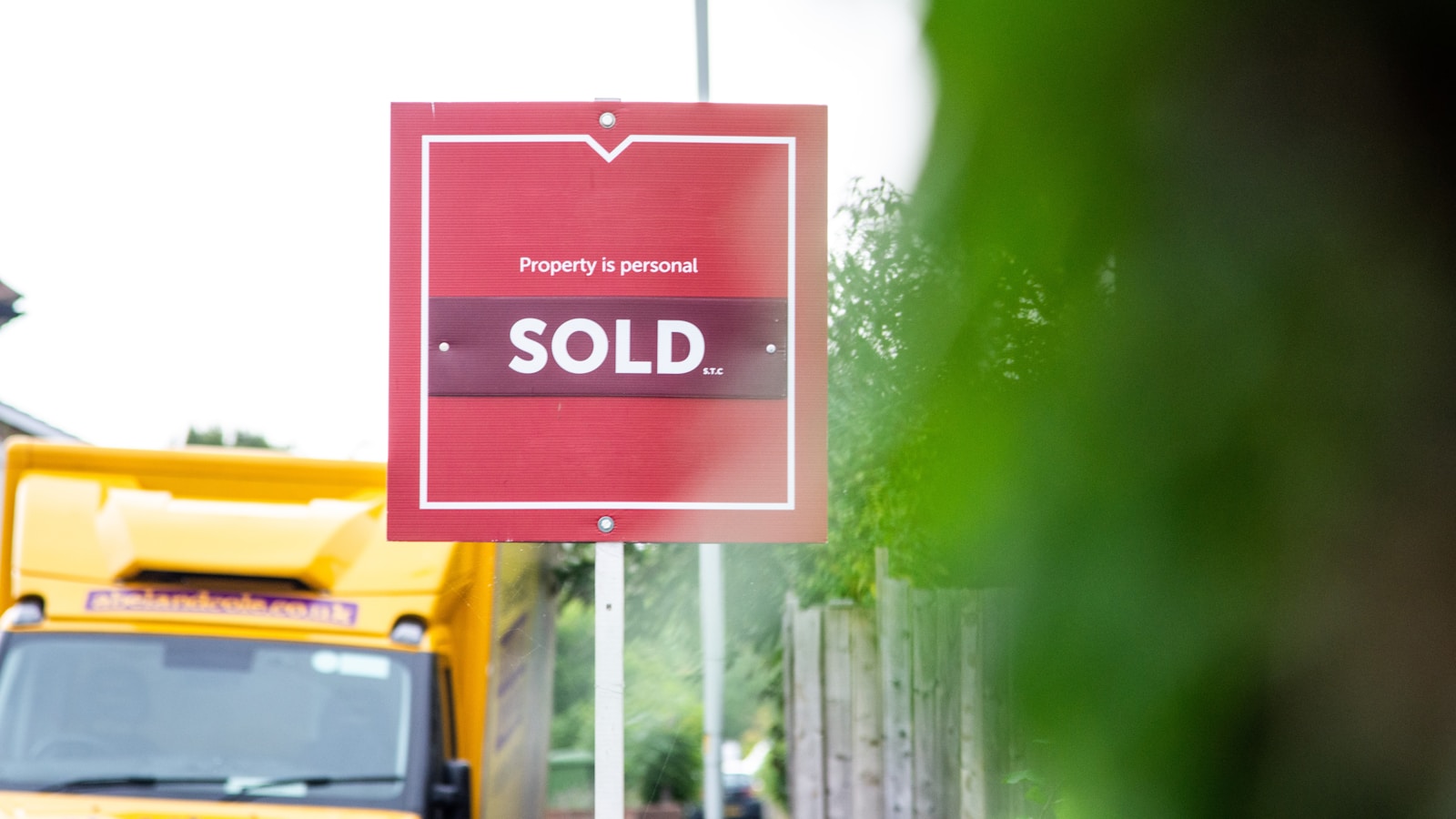
Australian auction clearance rates have dropped to their lowest point in six years — a level not seen since the uncertainty of the early COVID-19 pandemic. Data from property analytics firm Cotality shows the market is losing steam, with the company warning of "a further loss of momentum" ahead.
For anyone buying, selling, or investing in property right now, this is a meaningful signal worth understanding.
What Are Clearance Rates and Why Do They Matter?
An auction clearance rate measures the proportion of properties that sell at auction on a given weekend, as a percentage of total auctions held. A rate above 70% is generally considered a strong sellers' market. Below 60% starts to indicate buyers have the upper hand.
Clearance rates are one of the most immediate, real-time indicators of market sentiment. Unlike median price data, which can lag by weeks or months, clearance rates reflect what is happening at the coalface of property sales right now.
How Far Have Rates Fallen?
According to Cotality, clearance rates have now retreated to levels last seen in early 2020 — when lockdowns and economic uncertainty caused a sharp freeze in transaction activity. That context matters. The pandemic period represented one of the most disruptive moments in modern Australian property history, so matching those lows in mid-2026 is a notable development.
Cotality has flagged that the current conditions are unlikely to reverse quickly, predicting further softening in market momentum in the months ahead.
What's Driving the Slowdown?
Several forces have been converging to cool buyer appetite at auction:
- Affordability pressure remains acute across major capitals, with many buyers stretched to their borrowing limits.
- Interest rate uncertainty continues to weigh on confidence, even as the Reserve Bank of Australia (RBA) has begun adjusting its stance.
- Higher volumes of listings in some markets are giving buyers more choice and less urgency — reducing competition at auction.
- Vendor price expectations in some segments may still be out of step with what buyers are willing to pay, leading to more properties passing in.
When listings rise but buyer demand stalls, the maths of a clearance rate naturally tilts downward.
What Does a Low Clearance Rate Mean in Practice?
For sellers, a falling clearance rate means accepting that the frenzied bidding wars of 2021 and early 2022 are firmly in the rearview mirror. Properties are more likely to be passed in, and vendors who set overly ambitious reserves risk a public pass-in — which can damage a property's perceived value and lead to a longer, more drawn-out sale campaign.
For buyers, this is genuinely the most favourable auction environment in years. Less competition, more properties passing in, and vendors who may be increasingly open to negotiation after auction. If you've been sitting on the sidelines waiting for the market to ease, the data suggests conditions have moved in your favour.
For investors, the picture is more nuanced. Softer clearance rates don't necessarily mean prices are in freefall — but they do indicate that capital growth is unlikely to be the dominant story over the near term. Rental yield and long-term fundamentals become more important considerations in this environment.
What This Means for You
Whether you're about to list or actively searching, the current clearance rate data is a prompt to recalibrate expectations.
Sellers should work closely with their agent to set a realistic reserve, consider the merits of a private sale campaign versus auction in softer conditions, and be prepared for the possibility of negotiating post-auction. Timing and presentation matter more when competition among buyers is thinner.
Buyers should approach auctions with more confidence than they may have felt over the past few years. Do your due diligence, know your limit, but understand that the balance of power at many auction events has shifted meaningfully in your direction.
Cotality's forecast of continued softening suggests this window may remain open for several more months — but property markets can shift quickly, and any RBA rate movement or change in listings volumes could alter the dynamic. Stay informed, and make decisions based on current data rather than the market conditions of two years ago.