NSW's $500M Interest-Free Loan Scheme: What It Means for Homeowners and Property Investors
NSW is offering interest-free loans and cash subsidies for solar and batteries. Here's what property owners across Australia need to know.
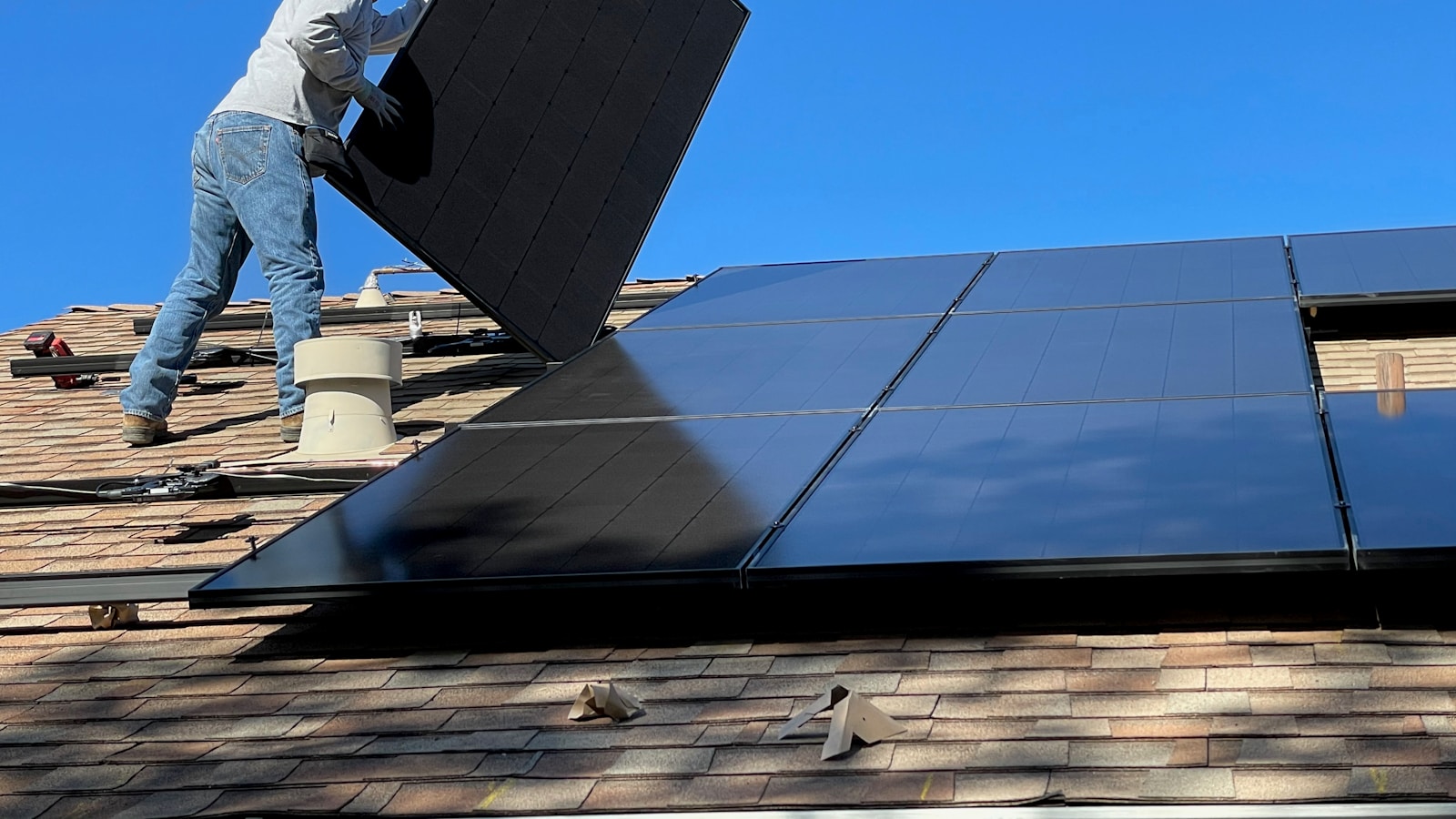
The New South Wales government has launched a $500 million scheme offering interest-free loans and cash subsidies to homeowners who install renewable energy measures — think solar panels, household batteries, and related upgrades. For property owners, investors, and prospective buyers across NSW, this is one of the more significant state-level interventions in residential energy costs in recent memory.
What the Scheme Actually Offers
At its core, the NSW program removes two of the biggest barriers to going solar or adding a battery: upfront cost and financing expense. Interest-free loans mean you're borrowing government money at 0% — no bank margin, no compounding interest eating into your savings. The cash subsidy component goes a step further, effectively reducing the principal amount you'd need to repay at all.
While the scheme is targeted at encouraging renewable energy uptake broadly, the practical beneficiaries are homeowners who have been sitting on the fence about solar or battery storage because of the price tag.
Why This Matters for Property Values
There's a growing body of evidence — and lived experience in suburbs across Melbourne, Sydney, and Brisbane — that energy-efficient homes command a premium at sale. Buyers are increasingly factoring in ongoing running costs, not just the purchase price. A home with a functioning solar system and battery storage can credibly advertise lower quarterly electricity bills, which is a genuine selling point in a high-rate environment where household budgets are stretched.
For sellers in NSW, taking up this scheme before listing could be a relatively low-cost way to add perceived value. For investors, the calculus is slightly different — rental yields don't automatically improve overnight — but energy-efficient properties tend to attract and retain tenants more reliably, and future rental regulations around minimum energy standards are only likely to tighten.
Who Is Eligible?
The scheme is being administered by the NSW government, and eligibility criteria will determine how broadly the $500 million is distributed. As with most state energy programs, there are typically income thresholds, property type restrictions, and caps on loan or subsidy amounts per household. If you're in NSW and own your home — or are considering buying — it's worth checking the current eligibility requirements directly through the NSW government or your energy retailer.
Key questions to ask before applying:
- Does the subsidy apply to renters, owner-occupiers, or both?
- Are strata and apartment buildings included, or is it limited to freestanding homes?
- What approved products and installers qualify under the scheme?
- Is there a waitlist, or are funds available on a rolling basis?
What About Other States?
NSW isn't alone in running household energy incentive programs, but $500 million is a substantial commitment. Victoria has its own Solar Homes Program, which has offered rebates on solar panels and hot water systems for several years. Queensland and South Australia have also run targeted subsidies. If you're outside NSW, it's worth reviewing what your state government currently offers — these programs open and close, and funding rounds can be exhausted quickly.
The federal government's broader energy transition agenda also means more Commonwealth-level support for household electrification is likely in coming years, so staying across announcements from both tiers of government pays off.
What This Means for You
If you own property in NSW, this scheme is worth taking seriously — not just as an environmental gesture, but as a financial decision. Reducing your ongoing energy costs frees up cash flow, and upgrading your home's energy credentials ahead of a sale or refinance could work in your favour when lenders and buyers assess the property.
For investors, think about where minimum energy efficiency standards are heading. State governments are progressively raising the bar for rental properties, and getting ahead of those requirements with subsidised funding is a smarter move than scrambling to comply when legislation lands.
If you're a buyer currently evaluating NSW properties, it's worth asking whether a home already has solar and battery storage — and if not, whether you could access this scheme post-settlement to bring running costs down from day one.