
Auction Clearance Rates Drop to 2022 Downturn Levels: What It Means for Property Buyers and Sellers
Auction clearance rates have fallen to levels not seen since the 2022 housing downturn. Here's what that signals for buyers, sellers, and investors right now.
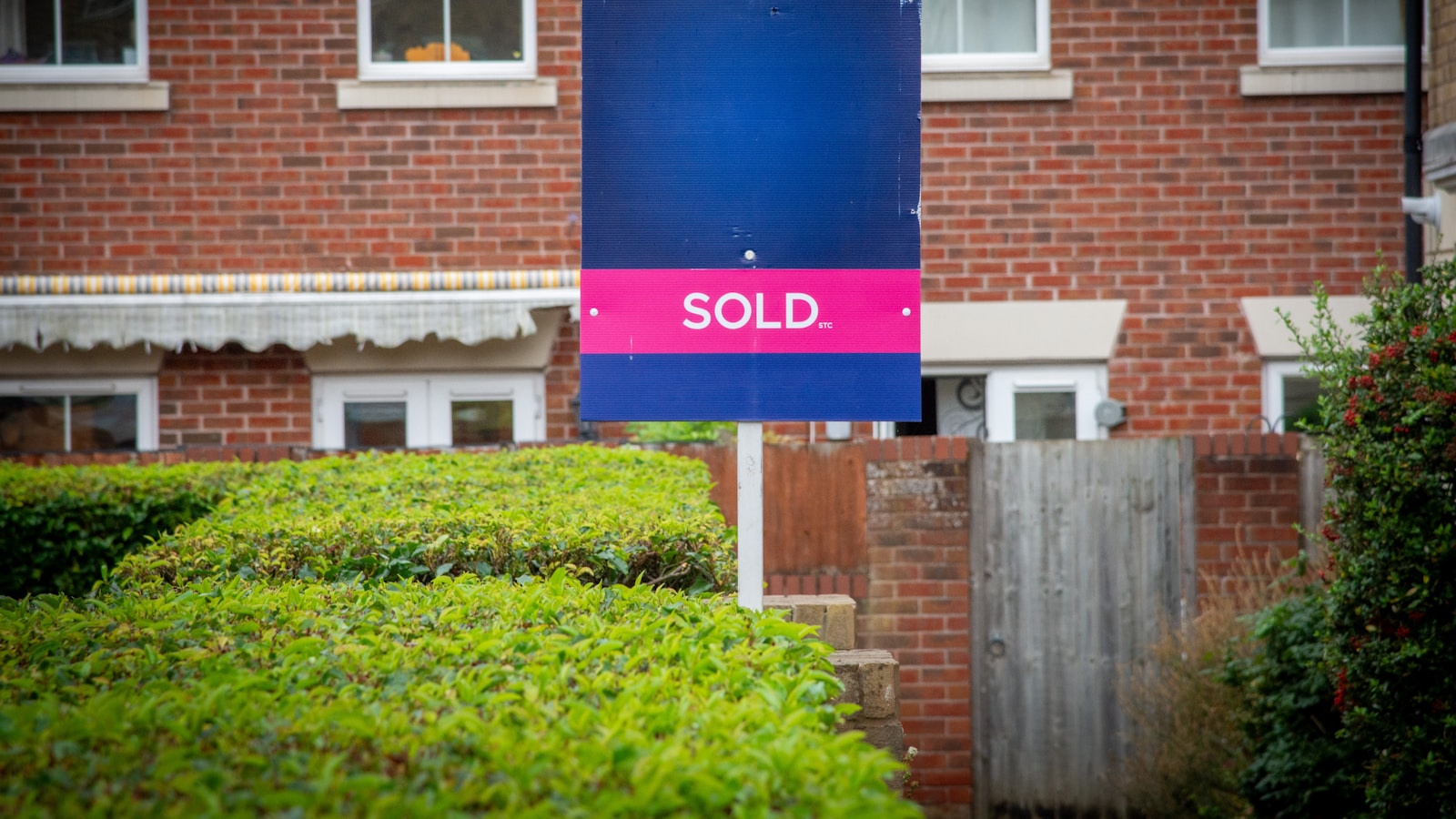
Auction clearance rates have dropped to levels last seen during the 2022 housing downturn — one of the sharpest corrections Australian property has experienced in recent memory. For anyone buying, selling, or investing right now, that's a signal worth paying close attention to.
What Clearance Rates Actually Tell Us
An auction clearance rate measures the percentage of properties that sell at auction during a given weekend. A rate above 70 per cent is generally considered a strong sellers' market, while anything below 60 per cent points to buyers holding more of the power.
When clearance rates fall to the levels seen in 2022, it means a meaningful share of properties are passing in — either not receiving a bid above the reserve price, or being withdrawn before the hammer falls. That's not just a number on a spreadsheet; it reflects genuine hesitation on the part of buyers.
Why Are Clearance Rates Falling Now?
The 2022 downturn was driven largely by the Reserve Bank of Australia's aggressive rate-hiking cycle, which rapidly eroded borrowing capacity and knocked confidence out of the market. Clearance rates fell sharply as buyers stepped back and vendors were forced to adjust expectations.
The current environment has its own set of pressures. Affordability remains stretched in most capitals, and while the RBA has begun easing, many households are still adjusting to the cumulative impact of previous rate rises. Buyer caution tends to show up in auction results before it appears in median price data, which is why clearance rates are such a useful leading indicator.
What This Looks Like on the Ground
When clearance rates soften, the dynamics at an auction change noticeably:
- Fewer registered bidders per property, reducing competitive tension
- More properties passed in on a vendor bid, opening the door to post-auction negotiation
- Longer days on market as some sellers relist or switch to private treaty
- Greater room to negotiate for buyers who come prepared with finance pre-approved
For sellers, this is a reminder that pricing strategy matters enormously. Overquiding — setting an unrealistically high reserve — is more likely to result in a pass-in when buyer demand is softer.
The Broader Economic Backdrop
Interestingly, the same day clearance rate data pointed to property weakness, the ASX closed up 1.6 per cent on optimism around a potential Middle East peace deal. Share market enthusiasm and property market caution can absolutely coexist — they respond to different drivers and different timeframes.
What matters for property is the domestic picture: employment, wages, consumer confidence, and the RBA's rate path. A rebounding share market doesn't automatically translate into a busier Saturday at the auction house.
What This Means for You
If you're a buyer, softening clearance rates are, broadly speaking, good news. You're less likely to be steamrolled by frenzied competition, and properties that pass in can be negotiated directly with the vendor — sometimes at a meaningful discount to what would have been bid under stronger conditions. Make sure your finance is in order so you can move quickly when the right property comes up.
If you're a seller, now is not the time to test the market with an aspirational price. Work closely with your agent to set a realistic reserve based on comparable sales from the past 60 to 90 days, not the peak. A well-priced property will still sell — even in a softer market, genuine buyers are active.
If you're an investor, weaker clearance rates can create acquisition opportunities, particularly for those with access to capital and a medium-to-long-term horizon. Watch whether this softness persists over the coming weeks — a single weekend's data is a data point, not a trend. If clearance rates remain at 2022-style levels through June and July, that's a more meaningful signal about where the market is heading.