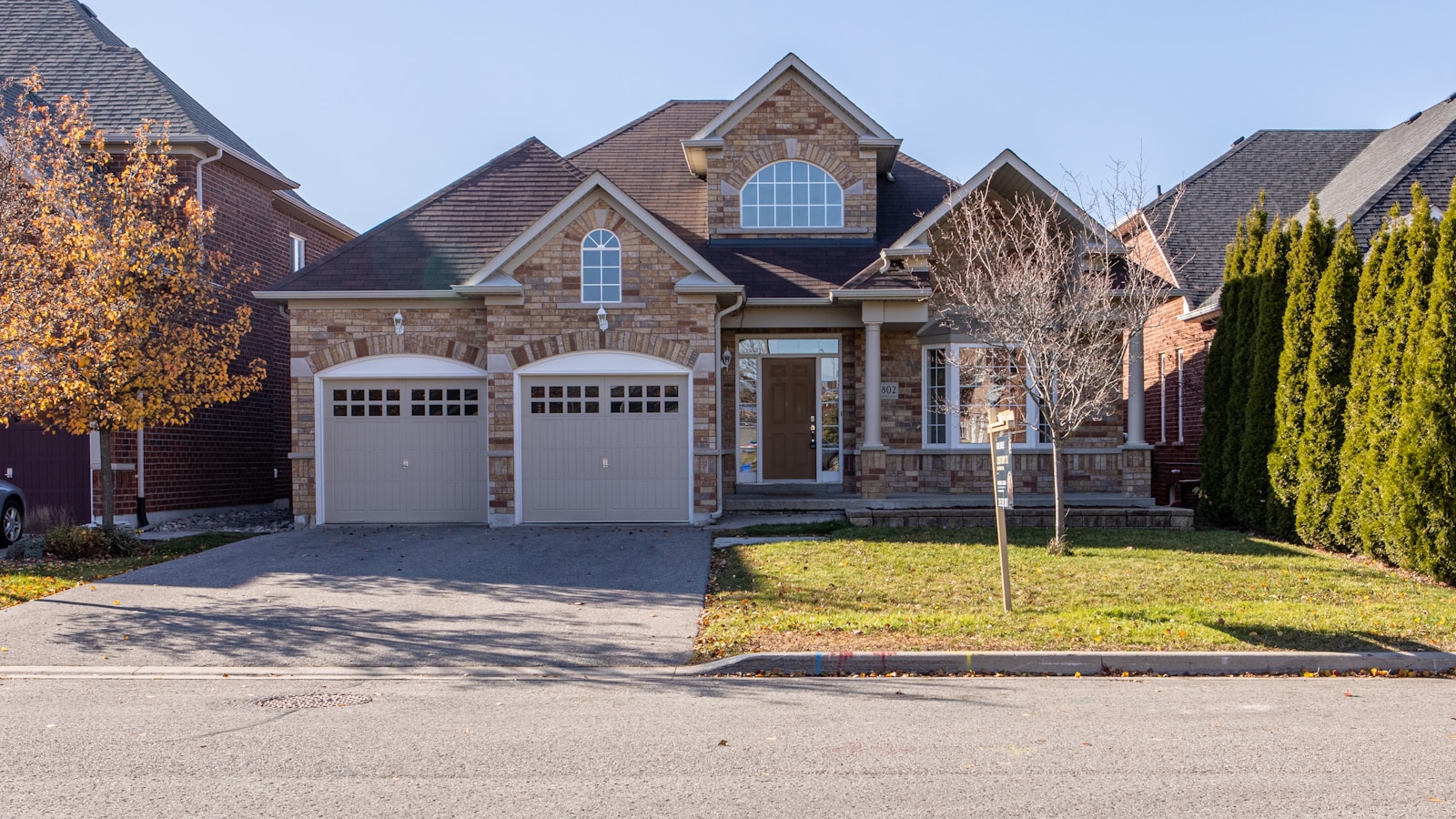
Empty Main Street Shops Could Become Homes: What It Means for Regional Property
As regional main streets hollow out, governments are eyeing vacant shopfronts as a ready-made solution to Australia's housing shortage.
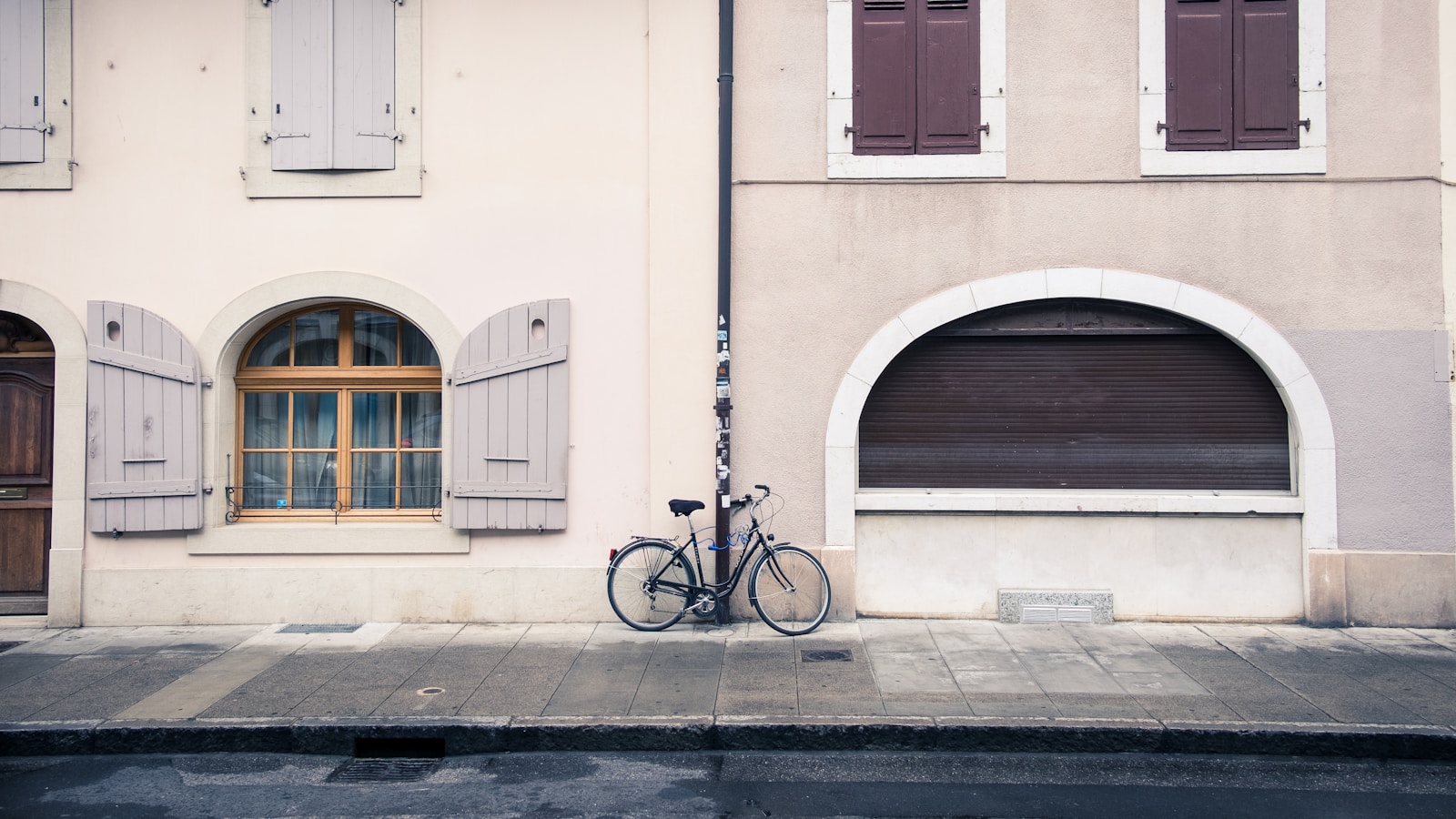
Australia's empty main street shopfronts could soon be getting a second life — as homes. With businesses continuing to close across regional towns, governments are actively exploring whether converting vacant commercial premises into residential dwellings could help chip away at the country's persistent housing shortage.
It's a conversation that matters not just to regional communities, but to anyone watching where Australian housing supply goes from here.
The Hollowing Out of Regional Main Streets
Regional main streets have been quietly emptying out for years. The shift to online shopping, rising rents, and post-pandemic changes in consumer habits have left rows of vacant shopfronts in towns that once buzzed with foot traffic.
For locals, it's an eyesore and an economic concern. But planners and housing advocates are beginning to see something else: a stock of existing buildings, often centrally located, that could be repurposed into much-needed housing.
Why Conversion Makes Sense in Theory
The logic is straightforward. Converting an existing building is generally faster and cheaper than building from scratch. The infrastructure — roads, water, sewerage, electricity — is already there. The locations tend to be walkable, close to services, and often well-connected by public transport.
For regional communities facing housing shortfalls, this isn't a trivial point. Workers in healthcare, education, and essential services have struggled to find accommodation in regional towns, and that shortage has real consequences for service delivery.
Converting empty commercial space into apartments or townhouses could add meaningful supply without requiring greenfield land or major new infrastructure investment.
The Planning Hurdles That Stand in the Way
Conversion isn't straightforward in practice. Most main street shopfronts sit in commercial or mixed-use zones, not residential ones. Converting them to housing typically requires a planning permit, and in many cases a rezoning — a process that can take years and is never guaranteed.
Building regulations add another layer. Older commercial buildings often need significant work to meet residential standards for ventilation, natural light, and fire safety. That cost can make projects unviable without some form of government support or incentive.
State and local governments would need to streamline planning pathways and potentially offer financial incentives — such as reduced developer contributions or fast-tracked approvals — to make commercial-to-residential conversion commercially attractive.
What Other Countries Have Done
Australia wouldn't be the first to try this. The United Kingdom and parts of the United States have run programmes allowing commercial buildings to be converted to residential use under simplified planning rules. Results have been mixed — some schemes delivered useful housing quickly, while others produced poor-quality dwellings with inadequate light and space.
The lesson from overseas is that policy design matters enormously. Minimum standards for new dwellings need to be maintained, even when the goal is speed. A poorly converted shopfront that becomes a cramped, dimly lit apartment solves one problem while creating another.
What This Means for Buyers, Sellers, and Investors
For regional property participants, this policy direction is worth watching closely.
- Buyers in regional towns could eventually see more housing options in central locations — potentially well-suited to downsizers or renters who want walkability.
- Investors with an eye on regional commercial property may find new exit strategies or development angles if planning rules are relaxed.
- Sellers of vacant commercial premises could benefit from increased buyer demand if conversion becomes more commercially viable.
- Local homeowners should watch whether new supply in town centres puts any softening pressure on nearby residential prices — though in tight regional markets, added supply is more likely to stabilise than depress values.
The government hasn't announced a firm policy yet — this is still at the weighing-up stage. But the direction of thinking is clear. As Australia grapples with a housing crisis that has proven stubbornly difficult to solve through conventional means, unused buildings in the heart of regional communities are starting to look less like liabilities and more like opportunities.
For regional Australia, an empty shop could yet become someone's home.