Sydney and Melbourne Home Values Dip in May as Housing Market Loses Steam
National home values flatlined in May 2026, with Sydney and Melbourne recording falls as interest rates, weak confidence and looming tax changes weigh on buyers.
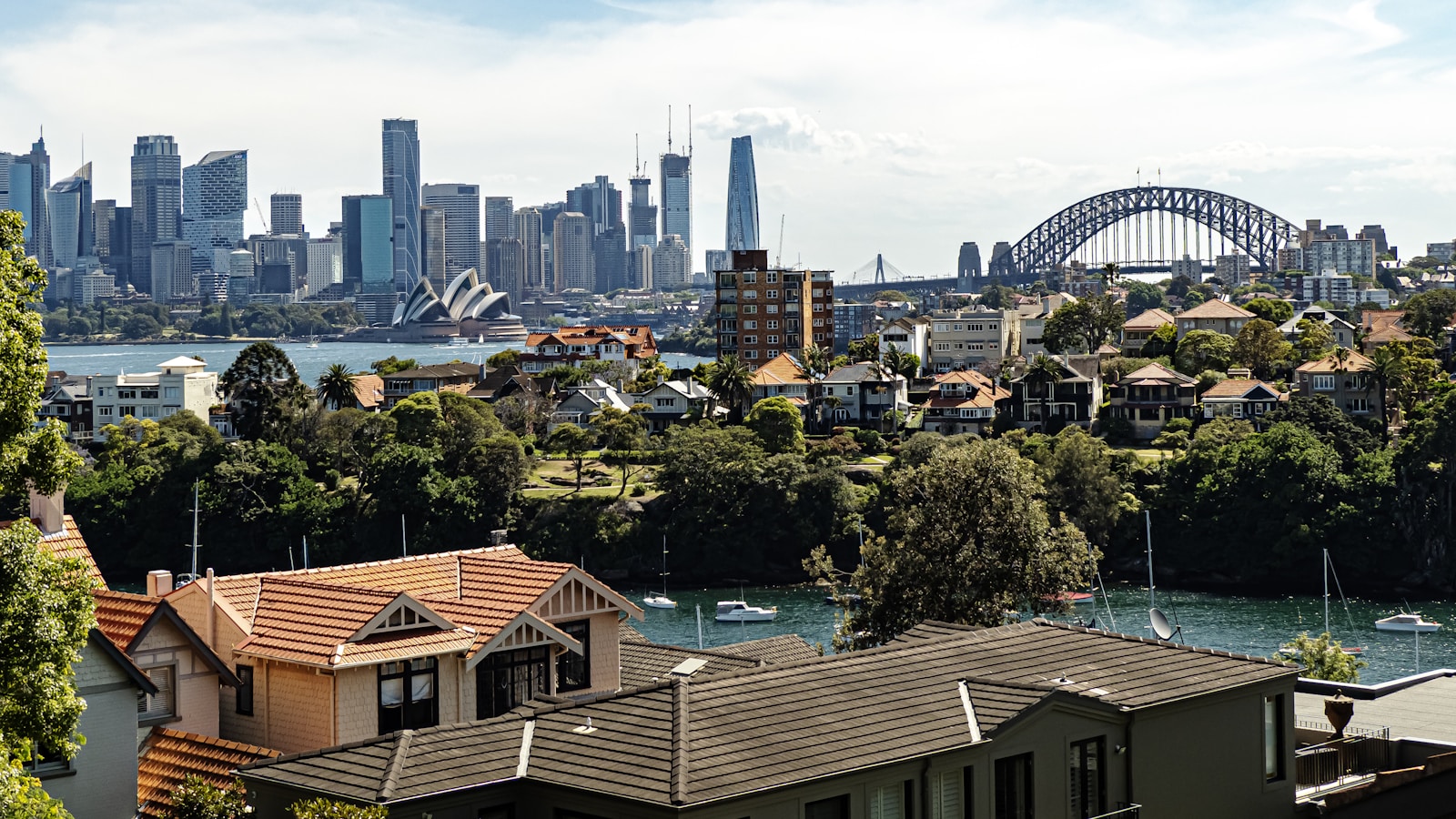
Australia's housing market hit a wall in May 2026, with national home values recording little to no growth and both Sydney and Melbourne posting outright falls. The latest data from Cotality confirms what many buyers and sellers have been feeling on the ground: the post-pandemic property boom has well and truly faded.
What the Numbers Are Telling Us
After several years of turbulent price swings, the national market has entered a holding pattern. May's data shows values essentially flatlining at a national level — but the detail beneath that headline is more concerning for owners in the two biggest capital cities. Sydney and Melbourne, which together account for the bulk of Australia's housing wealth, both recorded value declines during the month.
This isn't a sudden collapse. It's the continuation of a slow-moving loss of momentum that has been building since the Reserve Bank of Australia began its rate-hiking cycle. The cumulative effect of higher borrowing costs has progressively eroded purchasing power, and that is now showing up clearly in price data.
Three Forces Dragging on Demand
Three overlapping pressures are making buyers cautious right now:
- Interest rates: The RBA's cash rate remains elevated, keeping mortgage repayments high and squeezing how much buyers can borrow. Even buyers who secured pre-approval months ago are finding their budgets stretched.
- Weak consumer confidence: Household budgets are under pressure from the broader cost-of-living environment. When people feel financially uncertain, committing to a six- or seven-figure purchase becomes a much harder decision.
- Proposed property tax changes: Uncertainty around potential changes to property taxation — including ongoing debate about land tax, negative gearing, and stamp duty reform — is giving some investors and upgraders reason to pause before transacting.
None of these factors is new, but together they are producing a market where sellers need to have realistic expectations and buyers hold considerably more negotiating power than they did 18 to 24 months ago.
Why Melbourne Is Particularly Exposed
Melbourne has been underperforming its interstate rivals for some time now, and May's data reinforces that trend. The city has faced a combination of elevated stock levels — meaning buyers have more choices and less urgency — and a local investor landscape that has been rattled by Victoria's land tax changes introduced in recent years.
More properties on the market, combined with cautious buyers, is a recipe for price softness. Vendors who are testing the top end of their price expectations are increasingly finding that the market simply won't meet them there.
Where Conditions Are Holding Up
Not every market is struggling equally. Smaller capitals and some regional centres have shown greater resilience, partly because they started from lower price bases and partly because demand from interstate migrants and lifestyle seekers has remained more consistent.
Within the major cities, well-located affordable suburbs — particularly those with good transport links and lifestyle amenity — continue to attract genuine competition at auction. It's the premium and upper-middle segments of Sydney and Melbourne that are feeling the most downward pressure.
What This Means for You
If you're buying in Melbourne or Sydney right now, conditions are shifting in your favour. There's less competition at open homes, vendors are more willing to negotiate, and clearance rates have softened. Do your due diligence, but don't be afraid to make an offer below the listed price guide — the data suggests you have room to do so.
If you're selling, pricing your property accurately from day one has never been more important. Overpriced listings are sitting on the market longer, which can actually hurt your final sale price by signalling desperation to buyers. A realistic price guide, well-presented property, and a skilled agent will do more for your outcome than holding out for a number the market won't support.
If you're an investor weighing your options, this period of price softness may present a buying opportunity — particularly if rate cuts materialise later in 2026, as some economists are forecasting. But do the numbers carefully on rental yields and holding costs before committing, especially in Victoria where land tax obligations have risen.
The market isn't in freefall — but it is telling a clear story. For now, buyers have the upper hand.